Blog ·
The Truth About Teacher Recognition: How to Get It and Give It
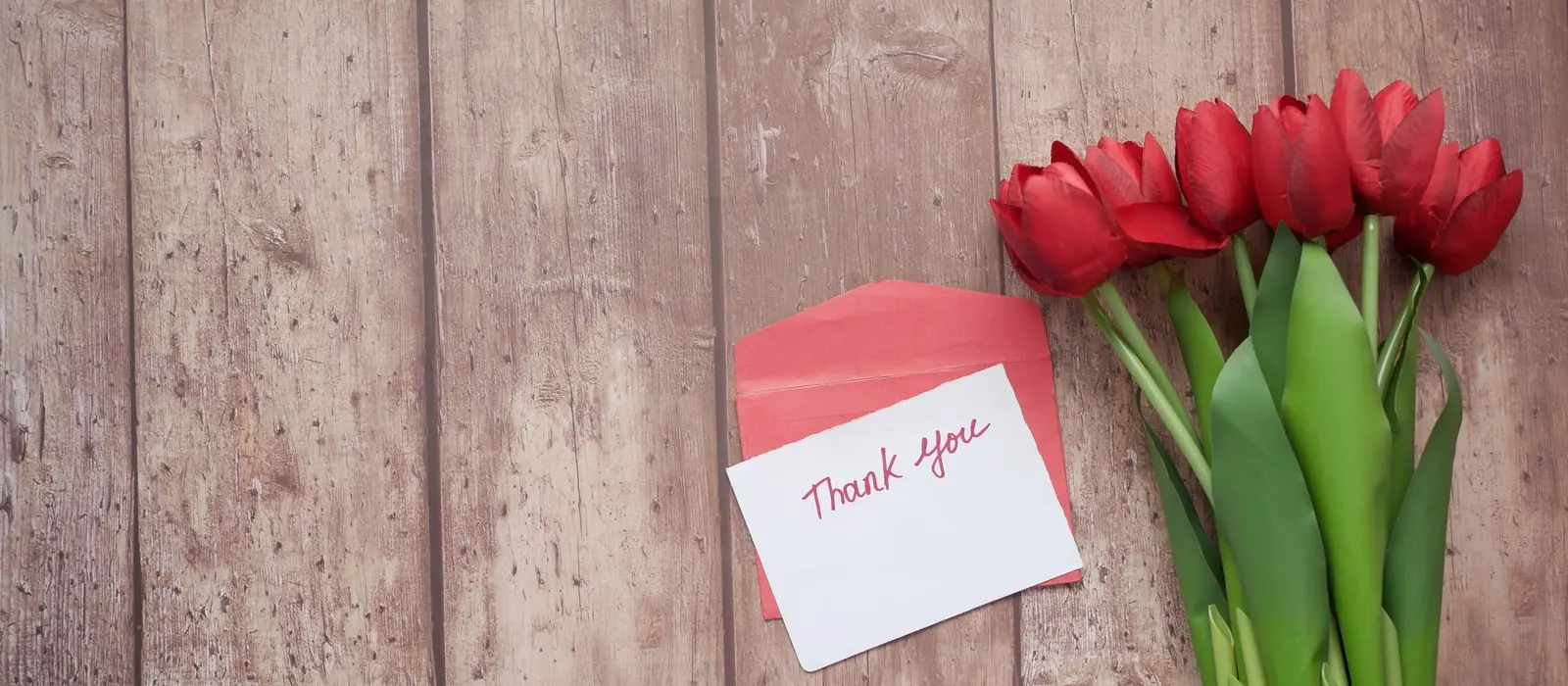
Photo: Pexels, photo ID 8515598, free licence, no attribution required.
Teachers often give a great deal of care and effort without hearing much back. Recognition can strengthen morale, teamwork, and the willingness to try new things. This article explains why appreciating teachers matters, how to offer recognition well, and how to ask for it without discomfort.
Why Teacher Recognition Matters
Recognition tells a person that their work was seen and valued. For teachers, it can make a long week feel more worthwhile. It also helps colleagues know which practices are working in the building.
Recognition is most helpful when it is specific. A general thank-you is kind, but a note about a particular action, such as a clear family update or a thoughtful lesson change, shows that someone paid attention.
How to Recognize Your Colleagues
Notice small, repeated efforts as well as big events. A colleague who keeps a shared calendar up to date or covers a hallway duty deserves a short thank-you. Keep notes on these moments so they are not forgotten.
Choose a format that fits the person. Some colleagues like a quiet note, while others prefer public praise in a meeting. Ask a few trusted people which they prefer if you are unsure.
Consider also how the recognition will be received in public. Some people welcome attention, while others feel uneasy in front of a group. Respecting that difference is part of meaningful recognition.
Private notes can be just as meaningful as public praise, and they are often easier to write sincerely. Choose the form that matches the person and the moment.
Ways to Get Recognized for Your Work
Share your work in a clear, brief way. Tell a supervisor what you did, why it mattered, and what you learned. A short written summary at the end of a project makes the work easier to see.
Build a habit of documenting results. Keep a simple folder with plans, data summaries, and feedback. When a review or conversation comes up, you can point to concrete examples.
Building a Culture of Appreciation
A culture of appreciation grows from many small habits. Start meetings with one positive example. Make space for colleagues to share ideas and successes. Leaders can model the behavior they want to see.
Appreciation should be consistent across the school, not only for a few staff members. Watch for patterns where some roles are thanked often and others rarely are. Balance helps everyone feel included.
Leaders can make appreciation a regular part of planning. A standing item in a meeting agenda is a simple way to keep recognition from being forgotten during busy weeks.
Overcoming Barriers to Recognition
Some teachers feel uncomfortable asking for recognition. Others work in settings where praise is rare. In both cases, start with small, honest steps, such as sharing a result with a trusted colleague.
Workload and time pressure can also block recognition. A short, regular check-in can help. Even two minutes at the end of a meeting can open the door to real feedback.
Some teachers find it helpful to ask a mentor or colleague for one specific piece of feedback at a time. A narrow question is easier to answer than a broad one, and the answer is easier to use.
Examples of Meaningful Recognition
For example, a hypothetical teacher might receive a short note from a parent describing a change they noticed at home. Another example is a principal who mentions a teacher's careful data review during a staff meeting. Both examples show specific attention rather than general praise.
These examples are illustrations only. The best recognition fits your school's culture and the person receiving it.
Takeaways
- Specific recognition is more meaningful than general thanks.
- Notice small, repeated efforts as well as big events.
- Share your results briefly and keep simple records of them.
- Consistent appreciation across the school builds trust and inclusion.
- Ask for feedback in a calm, factual way.
Frequently Asked Questions
How can I show appreciation to a teacher?
Name a specific action and explain how it helped you or your students. A short note, a quick message, or a comment in a meeting all work. Keep it sincere and brief.
What are some low-cost ways to recognize teachers?
A handwritten note, a shared thank-you message, or a short mention in a team meeting costs very little. Offering help with a task can also be meaningful. The most important part is specificity.
How do I ask for recognition without sounding boastful?
Describe the work and its results in plain words, and ask for feedback on what could be better. Focus on the impact on students and the team. A calm, factual summary usually sounds more credible than praise for yourself.
More on this site: About, the TARA home page, Contact.